
Sleep is essential for keeping everything in your body healthy, especially for brain health. Sleep is not just a time for the body to rest. If you don’t get enough sleep, your memory will start to decline. Your thinking will slow down and your clarity will decrease.
Here you will learn how sleep supports brain function. You will learn what happens when your body doesn’t get enough rest. Finally, here you will learn easy ways to improve your sleep and increase focus and mental performance.
What Happens in Your Brain During Sleep
Your brain stays active even when you are asleep. It continues doing many important tasks through the night. One of the biggest jobs is cleaning itself. During the day, waste materials build up inside the brain. These harmful materials can damage brain cells over time. Sleep helps remove them and keeps the brain healthy.
Sleep also helps strengthen memories. When you learn something new, your brain forms new connections. While you sleep, these connections become stronger. Sleep also helps move information from short-term memory into long-term memory. This is one reason people remember things better after getting proper sleep.
Another important job of sleep is emotional balance. Sleep helps the brain process emotions and stress. Good sleep often helps people feel calmer, happier, and more stable emotionally.
How Sleep Impacts Focus
Focus means paying attention to something without getting distracted. Sleep and concentration are strongly connected. When your body is rested, it becomes easier to stay focused for a long time. You can complete tasks faster and ignore distractions more easily.
But when you do not sleep enough, staying focused becomes difficult. Your thoughts may drift often. You may read the same page again and again without understanding it. You may even forget simple things during the day. Small sounds or movements around you become more distracting. This happens because lack of sleep slows brain function, especially the parts responsible for attention and concentration.
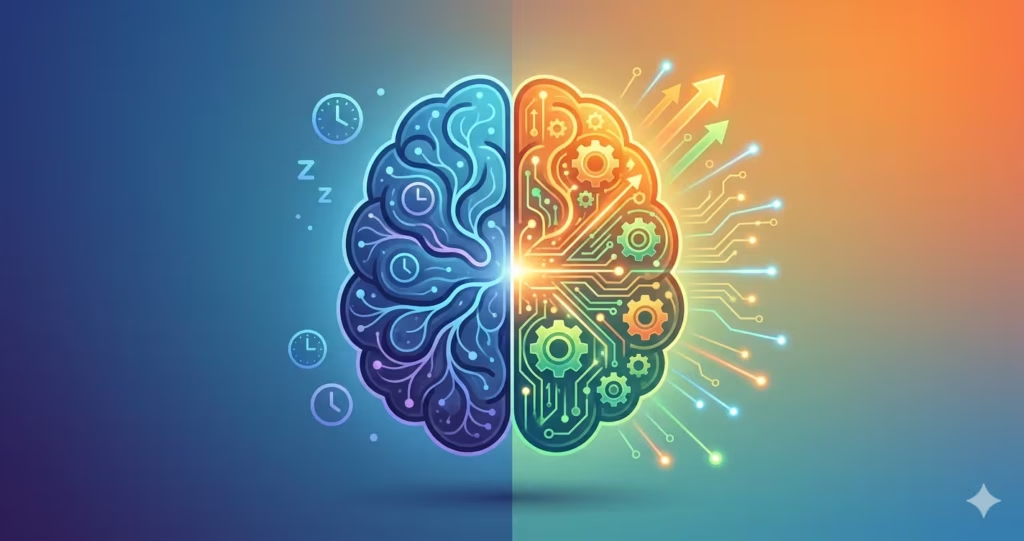
Research shows that staying awake for about 17 hours can reduce brain performance similar to alcohol intoxication. After a full day without sleep, your focus becomes extremely poor. This is one reason why driving while sleepy can be dangerous.
How Sleep Supports Memory and Learning
Sleep plays a major role in learning and remembering information. There are two main types of memory: short-term memory and long-term memory. Short-term memory stores information for a short period. Long-term memory stores information for a much longer time.
While you sleep, your brain decides which information is important and which is not. Important information gets stored into long-term memory. This process mostly happens during deep sleep and REM sleep. REM means rapid eye movement, the stage connected with dreaming.
Without enough sleep, your brain struggles to store information properly. This is why students who study all night often forget much of what they learned later. Sleeping well after studying is usually more helpful than spending extra hours awake.
Sleep also improves creativity and problem-solving skills. During sleep, the brain creates new links between ideas. Sometimes people wake up with better answers to problems because their brain continued working during sleep.
How Sleep Influences Decisions and Problem Solving
Good sleep helps people make smarter decisions. When you are tired, you are more likely to choose quick pleasure instead of making better long-term choices. For example, a sleepy person may choose unhealthy food instead of cooking something nutritious. They may waste time online instead of completing important work.
Lack of sleep also increases impulsive behavior. Tired people often speak without thinking, spend money carelessly, or take unnecessary risks. This happens because the front part of the brain, which controls judgment and planning, becomes weaker without enough rest.
Problem-solving ability also decreases. A rested brain can think from different angles and create fresh solutions. A tired brain often gets stuck repeating the same mistakes and struggles to think clearly.
The Different Stages of Sleep
Sleep happens in several stages, and each stage helps the brain differently.
Stage 1 is the lightest stage of sleep. People can wake up easily during this stage. It usually lasts for a short time.
Stage 2 is also light sleep. During this stage, heart rate slows down and body temperature drops. It helps support learning and memory.
Stage 3 is deep sleep. This stage is the most refreshing part of sleep. During deep sleep, the brain repairs itself and stores memories. Deep sleep is very important for feeling fresh the next day.
REM sleep usually begins around 90 minutes after falling asleep. The brain becomes highly active during this stage, and most dreams happen here. REM sleep helps emotional health, creativity, and learning.
A complete sleep cycle lasts around 90 minutes. Most people go through several cycles each night. To get enough deep and REM sleep, adults usually need around 7 to 8 hours of sleep daily.
Effects of Not Getting Enough Sleep
Missing sleep even for one night can affect the brain quickly. You may feel tired, slow, irritated, and distracted. Your reaction time becomes slower, which can increase the risk of accidents.
Long-term lack of sleep is even more harmful. Many people believe they can train themselves to sleep less, but this is not true. The brain never fully adapts to chronic sleep loss. The effects slowly become worse over time.
Continuous sleep deprivation can damage memory and learning ability. It can increase stress, anxiety, and depression. Studies also connect long-term sleep problems with diseases like dementia and Alzheimer’s disease. Experts believe this may happen because the brain cannot clean harmful waste properly without enough sleep.
How Much Sleep Does Your Brain Need?
Sleep needs vary by age. Babies need the most sleep, while adults usually need around 7 to 9 hours each night. Older adults still need enough sleep, even if sleeping becomes more difficult with age.
For most adults, 7 hours is the minimum amount needed for healthy brain function. Some people believe they perform well with only 5 or 6 hours of sleep, but studies show their mental performance becomes weaker even if they do not notice it themselves.
If you want better focus, stronger memory, and improved mental performance, try to sleep between 7 and 9 hours regularly. Sleeping and waking at the same time every day also helps the brain work more efficiently.
| Year | Average Sleep Trend | Effect on Focus | Effect on Brain Performance |
|---|---|---|---|
| 2020 | More stress and irregular sleep schedules | Lower concentration during work and study | Increased mental fatigue and slower thinking |
| 2021 | High screen time before bed | Short attention span became common | Memory and learning ability reduced |
| 2022 | Late-night mobile usage increased | People struggled to stay focused longer | Poor sleep affected problem-solving skills |
| 2023 | Sleep awareness started growing | Better sleep habits improved productivity | Brain performance improved with healthy routines |
| 2024 | More people started sleep tracking | Improved focus during office and study hours | Better emotional control and memory function |
| 2025 | Focus on mental wellness increased | Consistent sleep improved concentration | Faster decision-making and creative thinking |
| 2026 | Healthy sleep routines became more popular | Higher attention span and better task completion | Improved overall brain health and performance |
Easy Tips to Sleep Better
Here are some simple ways to improve sleep and support brain health.
Follow a regular sleep schedule. Try to sleep and wake up at the same time daily, including weekends.
Build a calming bedtime routine. Reading, soft music, or taking a warm shower can help the body relax before sleep.
Avoid screens before sleeping. Mobile phones, tablets, and computers produce blue light, which affects melatonin production and makes sleeping harder.
Keep your bedroom dark and cool. A cool and quiet room helps the body fall asleep more comfortably.
Limit caffeine later in the day. Coffee, tea, and energy drinks can stay in the body for hours and disturb sleep.
Avoid alcohol before sleeping. Alcohol may make you sleepy at first, but it reduces sleep quality during the night.
Get natural sunlight during the day. Morning sunlight helps control the body’s natural sleep cycle.
Exercise regularly. Physical activity improves sleep quality, but avoid hard workouts close to bedtime.
Avoid large meals before bed. Heavy meals can make sleeping uncomfortable.
Reduce stress before sleeping. Deep breathing, meditation, or writing your thoughts down may help relax the mind.
Conclusion
Sleep has become one of the most important parts of maintaining a healthy brain. Good sleep improves attention, memory, learning, decision-making, and emotional balance. Without adequate rest, brain function can be impaired in many ways.
If you have understood from here how important sleep is, then you should follow these things for a healthy life.