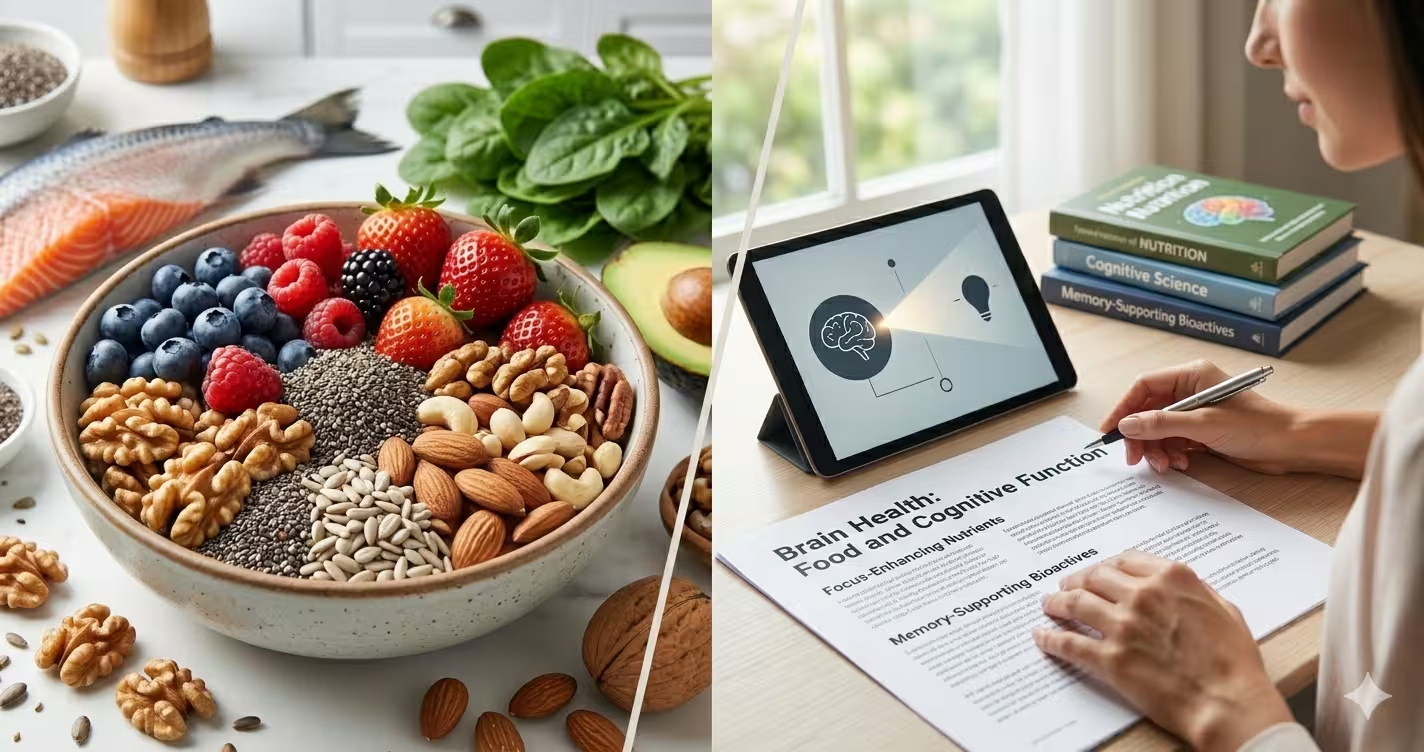
Many people have poor attention and memory. There may be many reasons for this. The main thing that helps the brain function is the quality of the food you eat. So if you don’t pay attention to eating good food, it affects the function of the brain. For example, just as a car needs good fuel to run well, your brain needs good food to think clearly.
Here are the best foods that you can eat to achieve the health your brain needs.
How Food Affects Your Brain
Your brain is always working. Even when you sleep, your brain is busy. It controls your thoughts, movements, breathing, and heartbeat. It needs a steady supply of energy and nutrients.
The food you eat breaks down into fuel for your brain. Some foods give slow, steady energy. Others cause spikes and crashes. Some foods provide building blocks for brain cells. Others provide antioxidants that protect your brain from damage.
When you eat the right foods, you will notice:
- Better focus during work or study
- Stronger memory for names, dates, and tasks
- Clearer thinking without brain fog
- Better mood and less stress
- Lower risk of memory problems as you age
Now let us look at the best foods for your brain.
1. Fatty Fish (Salmon, Sardines, Mackerel, Tuna)
Fatty fish is the number one brain food. Your brain is about 60 percent fat. Half of that fat is the type found in fatty fish.
What makes it good: Fatty fish is rich in omega-3 fatty acids. Your brain uses omega-3s to build brain cells and nerve cells. These fats are essential for learning and memory. Low omega-3 levels are linked to poor focus, depression, and faster brain aging.
How much to eat: Eat fatty fish 2 to 3 times per week. A serving is about 100 to 150 grams (the size of your palm).
Easy ways to eat it:
- Canned sardines or tuna on whole wheat crackers
- Grilled salmon with rice and vegetables
- Mackerel patties (mix with egg and breadcrumbs, fry)
Beginner tip: If you do not like fish, try fish oil supplements. But real fish is better. Start with mild-tasting tuna or salmon.
2. Blueberries and Dark Berries
Blueberries are small but powerful. They are often called “brain berries” by scientists.
What makes them good: Blueberries are full of antioxidants called flavonoids. These compounds protect your brain from oxidative stress (damage from normal body processes). They also improve communication between brain cells. Studies show that eating blueberries improves memory and delays brain aging.
Other good berries: Blackberries, raspberries, strawberries, and cherries. All have similar benefits.
How much to eat: A handful (about half a cup) per day. Fresh or frozen both work.
Easy ways to eat them:
- Add to your morning oatmeal or cereal
- Blend into a smoothie with yogurt
- Eat as a snack
- Sprinkle on top of pancakes or waffles
Beginner tip: Buy frozen berries. They are cheaper, last longer, and have the same nutrients as fresh.
3. Eggs
Eggs are a perfect brain food. They are cheap, easy to cook, and packed with brain-boosting nutrients.
What makes them good: Eggs contain choline. Choline is a nutrient your brain uses to make acetylcholine, a chemical messenger important for memory and mood. Eggs also have vitamins B6 and B12, folate, and healthy fats. All of these support brain function.
How much to eat: 1 to 3 eggs per day. Most people can eat eggs daily without problems.
Easy ways to eat them:
- Boiled eggs (make a batch for the week)
- Scrambled eggs with vegetables
- Omelet with cheese and spinach
- Fried egg on whole wheat toast
Beginner tip: Eat the whole egg, not just the white. The yolk contains most of the choline and other brain nutrients.
4. Nuts and Seeds
Nuts and seeds are small but mighty. They are easy to carry and eat anywhere.
What makes them good: Nuts and seeds are rich in healthy fats, vitamin E, and antioxidants. Vitamin E protects brain cell membranes from damage. Walnuts are especially good because they also have omega-3 fats. Pumpkin seeds are full of zinc, magnesium, copper, and iron – all important for nerve function.
Best nuts for brain: Walnuts, almonds, hazelnuts, pecans.
Best seeds for brain: Pumpkin seeds, sunflower seeds, flaxseeds, chia seeds.
How much to eat: A small handful (about 30 grams) per day.
Easy ways to eat them:
- Snack on raw, unsalted nuts
- Sprinkle seeds on yogurt, oatmeal, or salads
- Add chopped nuts to smoothies
- Eat peanut butter or almond butter on toast
Beginner tip: Buy raw, unsalted nuts. Roasted and salted nuts have less nutrition and more sodium. Store nuts in the fridge to keep them fresh longer.
5. Leafy Green Vegetables
Spinach, kale, broccoli, and other greens are brain protectors.
What makes them good: Leafy greens are full of vitamin K, lutein, folate, and beta-carotene. Vitamin K helps form fats in brain cells. Lutein builds up in the brain and is linked to better memory. Folate supports brain development and function. Studies show that people who eat one serving of leafy greens per day have brains that are 11 years younger than people who rarely eat them.
How much to eat: One cup of raw greens or half a cup of cooked greens per day.
Easy ways to eat them:
- Add spinach to your morning smoothie (you will not taste it)
- Eat a side salad with lunch
- Sauté kale or broccoli with garlic and olive oil
- Add chopped greens to soups, stews, or pasta sauce
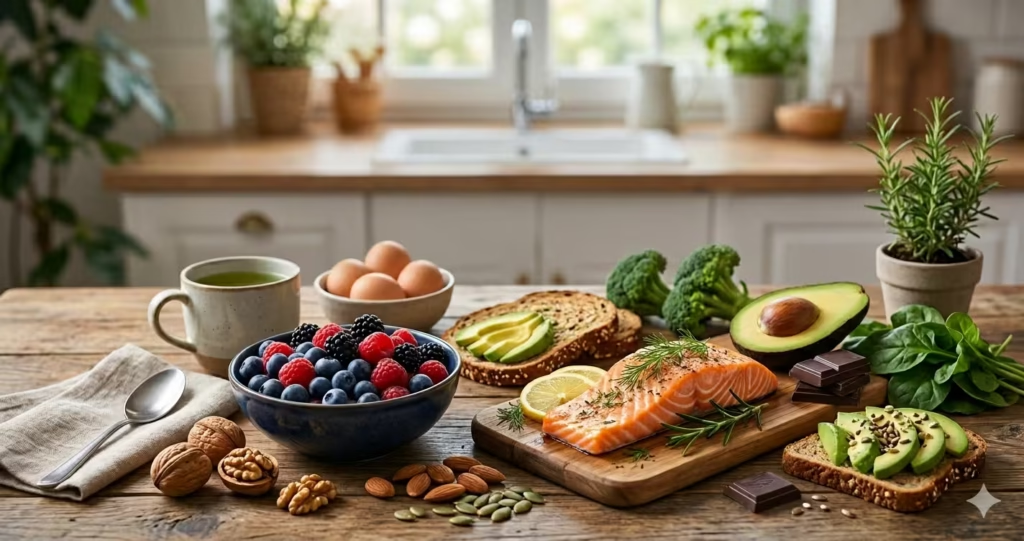
Beginner tip: Start with mild greens like baby spinach. They are less bitter than kale. Frozen spinach is cheap and easy to add to cooked dishes.
6. Dark Chocolate
Yes, chocolate is on the list. But not the sugary milk chocolate bar. Dark chocolate.
What makes it good: Dark chocolate is rich in flavonoids, caffeine, and antioxidants. Flavonoids improve blood flow to the brain. Better blood flow means more oxygen and nutrients to your brain cells. Caffeine gives a short-term focus boost. The combination improves memory, reaction time, and problem-solving.
How to choose: Look for dark chocolate with 70 percent cocoa or higher. Higher cocoa means less sugar and more brain benefits.
How much to eat: One small square (about 20 to 30 grams) per day. Do not eat the whole bar.
Easy ways to eat it:
- Eat one square as an afternoon treat
- Melt over berries or banana slices
- Shave over oatmeal or yogurt
Beginner tip: If 70% cocoa tastes too bitter, start with 60% and work your way up. Your taste buds will adjust.
7. Turmeric
Turmeric is a yellow spice used in curry. It has been used in traditional medicine for thousands of years.
What makes it good: Turmeric contains curcumin. Curcumin is a powerful anti-inflammatory and antioxidant. It can cross into your brain and directly help brain cells. Curcumin also helps clear the plaques linked to Alzheimer’s disease. Plus, it boosts serotonin and dopamine, which improve mood and focus.
The problem: Curcumin is not easily absorbed by your body. But you can fix that.
How to eat it for brain benefits:
- Add turmeric to curries, soups, and rice
- Make golden milk: warm milk (dairy or plant), turmeric, black pepper, and honey
- Take a curcumin supplement (with black pepper for absorption)
Important: Always eat turmeric with black pepper. Black pepper contains piperine, which increases curcumin absorption by 2000 percent.
Beginner tip: Buy ground turmeric from the spice aisle. Add a pinch to scrambled eggs or roasted vegetables.
8. Whole Grains (Oats, Brown Rice, Quinoa, Barley)
Your brain runs on glucose (sugar). But not all glucose sources are equal. Refined carbs (white bread, white rice, sugary cereals) give a quick spike then a crash. Whole grains give steady, slow-release energy.
What makes them good: Whole grains release glucose slowly into your bloodstream. This gives your brain a steady fuel supply for hours. You stay focused longer without the afternoon crash. Whole grains also have vitamin E and B vitamins, which support brain health.
How much to eat: One to two servings per day. A serving is one slice of whole grain bread, half a cup of cooked oats or brown rice, or three-quarters of a cup of whole grain cereal.
Easy ways to eat them:
- Oatmeal with berries and nuts for breakfast
- Brown rice or quinoa with lunch or dinner
- Whole grain toast with avocado or peanut butter
- Popcorn (air-popped, not microwave butter) as a snack
Beginner tip: Switch from white bread to 100% whole wheat bread. Switch from white rice to brown rice. Small changes make a big difference.
9. Avocados
Avocados are a unique fruit. They are high in healthy fats, not sugar.
What makes them good: Avocados are full of monounsaturated fats. These fats support healthy blood flow. Better blood flow means more oxygen to your brain. Avocados also lower blood pressure. High blood pressure damages brain blood vessels over time. Lower pressure means a healthier brain.
How much to eat: A quarter to half an avocado per day.
Easy ways to eat them:
- Mash on whole grain toast
- Add slices to salad or sandwiches
- Blend into smoothies for creaminess
- Make guacamole (avocado, lime, onion, tomato)
Beginner tip: Buy avocados that are slightly soft when you squeeze. If they are hard, leave them on the counter for 2 to 3 days. To ripen faster, put them in a paper bag with a banana.
10. Green Tea and Coffee (In Moderation)
Both green tea and coffee give you caffeine. Caffeine blocks a chemical called adenosine that makes you feel tired. The result: you feel more alert and focused.
What makes green tea special: Green tea also contains L-theanine. L-theanine is an amino acid that crosses into your brain. It increases calming chemicals like GABA. The combination of caffeine and L-theanine gives you focused calm – alert but not jittery.
How much to drink:
- Coffee: 1 to 2 cups per day. More than that can cause jitters and hurt sleep.
- Green tea: 2 to 3 cups per day.
Important: Do not add lots of sugar or cream. Drink it plain or with a little milk.
Beginner tip: If you do not like the taste of green tea, try matcha (powdered green tea). It has even more L-theanine.
A Sample Brain-Boosting Day of Eating
Here is what a full day of brain-friendly meals looks like. You do not need to follow this exactly. Use it as a guide.
Breakfast (20 minutes):
- Oatmeal made with milk (whole grains, protein)
- Handful of blueberries (antioxidants)
- Sprinkle of pumpkin seeds (zinc, magnesium)
- Cup of green tea (caffeine + L-theanine)
Lunch (30 minutes):
- Salad with spinach (leafy greens)
- Canned tuna or salmon (omega-3s)
- Sliced avocado (healthy fats)
- Whole grain crackers on the side
- Glass of water
Afternoon snack (5 minutes):
- One square of dark chocolate (70% cocoa)
- Small handful of walnuts
Dinner (40 minutes):
- Baked or grilled salmon (omega-3s)
- Quinoa or brown rice (whole grains)
- Steamed broccoli (leafy green family)
- Turmeric-spiced lentil soup on the side (with black pepper)
Evening (optional):
- Herbal tea (chamomile or peppermint) – no caffeine before bed
Foods to Avoid for Better Focus and Memory
Just as some foods help your brain, others hurt it. Try to limit these:
- Sugary drinks and snacks – Soda, candy, sweetened yogurt, pastries. Sugar spikes then crashes your blood sugar. Your brain feels foggy.
- Refined carbs – White bread, white rice, regular pasta, crackers. These act like sugar in your body.
- Highly processed foods – Chips, frozen pizza, chicken nuggets, instant noodles. These have little nutrition and many chemicals.
- Too much alcohol – Alcohol damages brain cells and shrinks the brain over time. A little is fine (one glass of red wine has antioxidants). Too much is harmful.
- Trans fats – Found in some margarines, fried fast food, store-bought cookies and cakes. Trans fats cause inflammation in the brain.
Do not worry about being perfect. Just try to eat more brain foods and fewer brain-harming foods. Small changes add up.
How Long Until You Notice a Difference?
You may feel a difference in a few days. Better focus in the afternoon. Less brain fog. Stronger memory for small things.
Real changes take about 2 to 4 weeks of consistent eating. Your brain needs time to build new cells and repair old ones. Be patient. Keep eating these foods.
After 3 months, you will notice a clear difference. You will remember names more easily. You will focus longer without getting tired. You will feel sharper overall.
Simple Swaps to Start Today
Do not change everything at once. Pick two or three swaps from this list.
- Swap white bread for whole grain bread.
- Swap afternoon candy bar for a handful of walnuts.
- Swap soda for green tea or water with lemon.
- Swap breakfast cereal for oatmeal with berries.
- Swap chips for an apple with peanut butter.
- Swap creamy salad dressing for olive oil and vinegar.
These swaps take almost no effort. But over time, they transform your brain health.
Frequently Asked Questions
Can I take supplements instead of eating these foods? Real food is always better. Whole foods have many nutrients that work together. Supplements only give one or two. Eat the food first. Use supplements only if your doctor recommends them.
What if I am vegetarian or vegan? You have many options. For omega-3s, eat walnuts, flaxseeds, chia seeds, and algae oil. For choline, eat soybeans, quinoa, and Brussels sprouts. For protein, eat beans, lentils, tofu, and tempeh. All other foods on the list (berries, greens, nuts, seeds, whole grains, avocado) are plant-based.
Is it expensive to eat these brain foods? No. Eggs, oats, canned fish, frozen berries, spinach, and whole grains are very cheap. Dark chocolate and fresh avocados cost more but you eat small amounts. Buy in season and on sale. Frozen fruits and vegetables are cheaper and just as healthy.
Can I eat these foods if I have allergies? Yes. If you are allergic to fish, eat walnuts and flaxseeds. If you are allergic to nuts, eat seeds and avocados. If you are allergic to eggs, eat beans and soy. There is always an alternative.
Final Words
Your brain is the most important organ in your body. It deserves good food to help you think and control your health. Don’t skip vegetables and fruits, You don’t need to eat a whole lot. You don’t need expensive superfoods. You need real, simple foods that you can find at any grocery store.